
The Technology Stack Behind High-Performance VIP Casino Operations
Here's what separates properties that retain high rollers from those that watch them walk: infrastructure. Not flashy apps or gimmicky loyalty dashboards - actual operational technology that tracks player behavior, quantifies comp value, and gives hosts actionable intelligence before a whale even checks in.
Most casinos operate with fragmented systems. Player tracking runs on one platform, CRM data lives in another, marketing automation exists in a third silo, and hosts maintain shadow spreadsheets because none of these systems talk to each other properly. Meanwhile, your competitors consolidated their tech stack three years ago and they're eating your lunch.
The math is brutal: Properties with integrated VIP technology stacks see 47% higher retention rates and 34% better theo per visit compared to operations running on legacy patchwork systems. That gap widens every quarter.
Core Infrastructure: What Actually Moves the Needle
Let's cut through the vendor noise. Your VIP operation needs three foundational technology layers working in concert - player tracking, analytics/intelligence, and host relationship management. Everything else is peripheral until you nail these three.
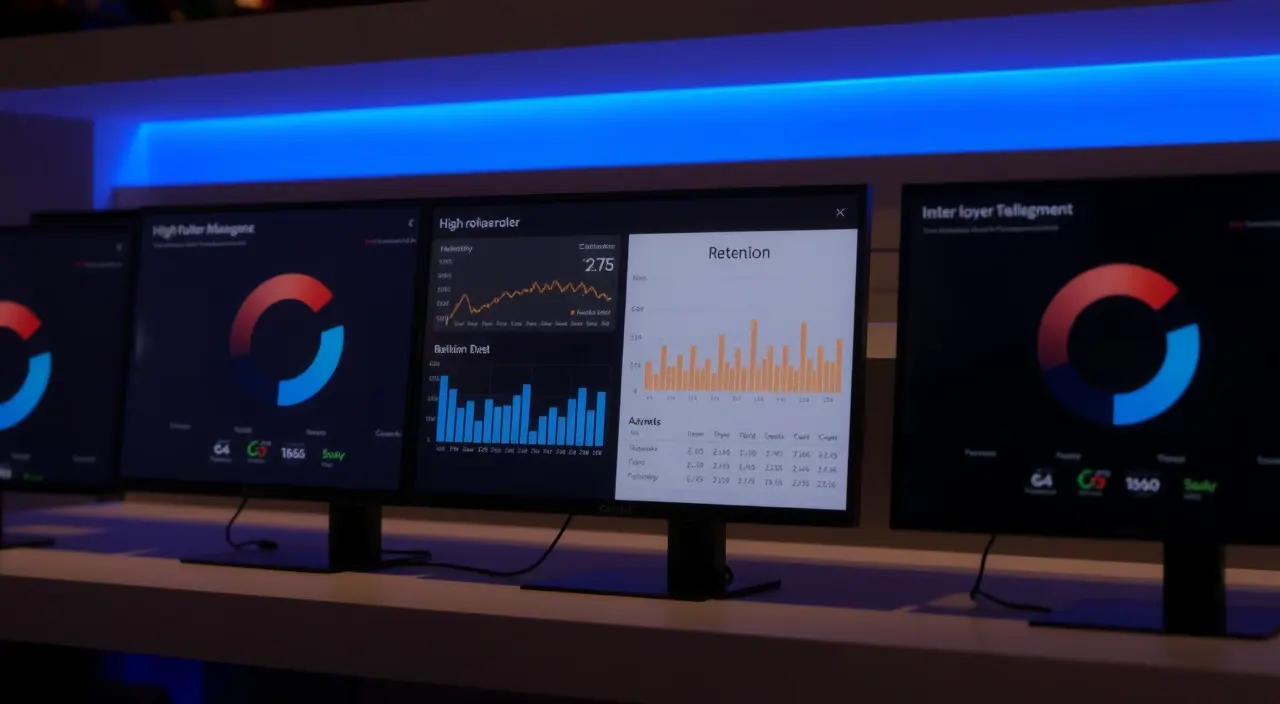
Player Tracking and Rating Systems
This is your source of truth. Every bet, every session, every comp decision ultimately traces back to your player tracking platform. The technology here hasn't changed radically in a decade - what's changed is integration depth and real-time accessibility.
Modern tracking systems need to deliver three things your hosts can actually use: accurate ADT calculations updated within minutes (not end-of-day batch processing), session-level granularity that shows play patterns across different games and limits, and historical trending that contextualizes this visit against the last twelve months. If your current system can't surface this data in under 30 seconds, you're operating blind during the moments that matter most.
The properties winning high roller management practices battles aren't using exotic tracking technology - they're using standard platforms configured correctly and integrated deeply with downstream systems. That integration is where most operations fail.
Analytics and Business Intelligence Platforms
Raw tracking data is useless without intelligence layers that transform numbers into decisions. Your analytics stack needs to answer specific questions: Which players are showing early warning signs of attrition? What comp structures deliver optimal ROI by player segment? Where are you over-comping relative to theo? Which acquisition channels produce players with the highest lifetime value?
Here's the distinction that matters - descriptive analytics versus predictive analytics. Most casino BI platforms excel at telling you what happened last month. The technology that actually drives retention tells you what's likely to happen next month and prescribes specific interventions. That requires machine learning models trained on your property's specific data, not generic industry benchmarks.
The vendors worth considering: Tableau and Power BI for visualization layers (though Power BI integrates more naturally with casino management systems), Alteryx for data preparation and blending, and specialized casino analytics platforms like Tangam or SAS Customer Intelligence for predictive modeling. Budget $80-120K annually for a properly configured analytics infrastructure serving a mid-size operation.
CRM and Host Enablement Technology
Your hosts need tools, not administrative burdens. Most casino CRM implementations fail because they're built for marketing automation first and relationship management second. VIP operations require the inverse priority structure.
Effective host technology does three things: centralizes all player communication history in one accessible interface, automates routine touchpoints without feeling automated, and provides mobile access to critical player data when hosts are on the floor or traveling to away events. If your hosts are still checking three different systems to prep for a player arrival, you're burning their time on logistics instead of relationship building.
Salesforce remains the enterprise standard, but implementation quality varies wildly. The properties getting value from Salesforce invested 6-12 months in proper configuration and integration work. Cheaper alternatives like HubSpot or casino-specific platforms like Club Royale can deliver 80% of the functionality at 40% of the cost - the tradeoff is customization depth and scalability headroom.
Communication and Engagement Tools
Your VIP communication stack needs omnichannel capability without feeling like spam. Text messaging, email, voice, and increasingly video - top-tier operations use all four channels strategically based on player preferences and message urgency.
The technology here is commodity at this point. What separates effective implementations from noise is segmentation logic and message personalization. Generic blast communications to your entire VIP database generate single-digit response rates. Targeted messages triggered by specific player behaviors or milestones drive 10-15x higher engagement. That's not a technology problem - that's a VIP player segmentation strategies problem that technology enables.
Integration Architecture: Where Most Operations Break Down
Individual systems matter less than how they connect. The single biggest technology failure pattern we see: Properties buy best-in-class components but never invest in proper integration work. Result? Data silos, manual data entry, version control disasters, and hosts who trust their personal spreadsheets more than official systems.
Modern integration requires three layers. API connections for real-time data flow between systems - this is table stakes in 2024. Middleware platforms like MuleSoft or Informatica for complex data transformations and business logic. And master data management protocols that establish single sources of truth for player records, ensuring the same player ID means the same thing across every system.
Budget realistically: Integration work typically costs 30-50% as much as the systems themselves. A property spending $500K on new CRM and analytics platforms should allocate another $150-250K for integration work. Skip this investment and you'll spend that money anyway - just spread across three years of operational inefficiency and poor adoption rates.
Security, Compliance, and Data Governance
VIP data represents both your most valuable operational asset and your biggest regulatory exposure. The technology protecting this data needs to address three distinct risk vectors: regulatory compliance (gaming commission requirements, GDPR, CCPA), operational security (preventing unauthorized access or data exfiltration), and business continuity (disaster recovery and system redundancy).
Compliance automation tools have matured significantly. Platforms like OneTrust or TrustArc handle consent management, data subject access requests, and audit trail documentation. Budget $30-60K annually for compliance technology serving a full-scale VIP operation. That's cheap insurance against six-figure regulatory fines or worse - license jeopardy.
Emerging Technology: What's Actually Ready for Production
AI and machine learning are moving from buzzwords to legitimate operational tools - but with massive hype-to-value gaps. Here's what's actually working in casino VIP operations right now.
Predictive churn models using gradient boosting or neural networks can identify at-risk players 60-90 days before they attrite with 70-80% accuracy. That's valuable. Conversational AI for basic player inquiries works but requires significant training data and careful fallback protocols. Computer vision for tracking player behavior and preferences shows promise but remains expensive and invasive - tread carefully.
What's not ready: Fully automated comp optimization, AI-driven host assignment algorithms that ignore relationship factors, blockchain-based loyalty programs. These technologies either don't deliver ROI yet or solve problems that don't actually exist at scale.
Build vs. Buy: The Decision Framework
Should you build custom VIP technology or buy commercial platforms? The honest answer: You'll do both. Build where you have genuine competitive differentiation and commercial solutions don't exist. Buy everything else.
Custom development makes sense for: Proprietary comp valuation algorithms that reflect your specific hold percentages and cost structures, specialized reporting that surfaces exactly the metrics your leadership team needs for decision-making, and integration middleware connecting systems that vendors can't or won't support.
Buy commercial solutions for: Core player tracking, CRM platforms, business intelligence tools, communication systems, and compliance technology. These are solved problems. Your custom solution will cost 3-5x more than commercial alternatives and deliver less functionality.
The properties executing VIP player management solutions most effectively treat technology as infrastructure, not innovation theater. They run commercial platforms configured tightly to their operational needs, invest heavily in integration work, and build custom tools only where they generate genuine competitive advantage.
Implementation Realities: Timeline and Resource Requirements
Here's what actually happens when you modernize VIP technology infrastructure. Phase 1 (3-4 months): Assessment, vendor selection, contract negotiation, and initial integration planning. Phase 2 (4-6 months): Core system implementation, data migration, and integration buildout. Phase 3 (2-3 months): User training, parallel operation, and cutover. Total timeline: 10-13 months from kickoff to full production operation.
That assumes competent project management and no major scope changes. Most implementations stretch 15-18 months because properties underestimate change management requirements and integration complexity. Budget an extra 20% timeline buffer and save yourself the board meeting where you explain why go-live slipped again.
Resource requirements beyond vendor costs: One full-time project manager, 30-40% of your IT director's time, 20-25% of your VIP operations director's time, and intermittent involvement from hosts, marketing, and compliance staff. Understaff this work and watch your timeline double.
Measuring Technology ROI: Metrics That Actually Matter
How do you know if your technology investment paid off? Track these five metrics before and after implementation: Average host productivity measured in relationships managed per FTE, VIP player retention rate at 12 and 24 months, comp efficiency measured as theo generated per dollar of comp expense, response time for player inquiries and requests, and data accuracy rates across integrated systems.
Expect 18-24 months before ROI turns clearly positive. Technology investments frontload costs and deliver returns gradually as adoption improves and operational efficiencies compound. Properties that evaluate success at six months typically abandon systems before they deliver value.
The infrastructure supporting comprehensive VIP retention strategies isn't sexy. It's databases and APIs and integration logic and user interfaces. But this unglamorous technology is what separates properties that systematically retain high-value players from those that rely on individual host heroics and watch whales slip away to competitors with better systems.
Your technology stack either enables your VIP strategy or constrains it. There's no middle ground. Properties that treat this as an IT problem rather than a strategic operations problem stay stuck with fragmented systems that cost more to maintain than replace. The operators winning right now made the investment two years ago. What's your timeline?